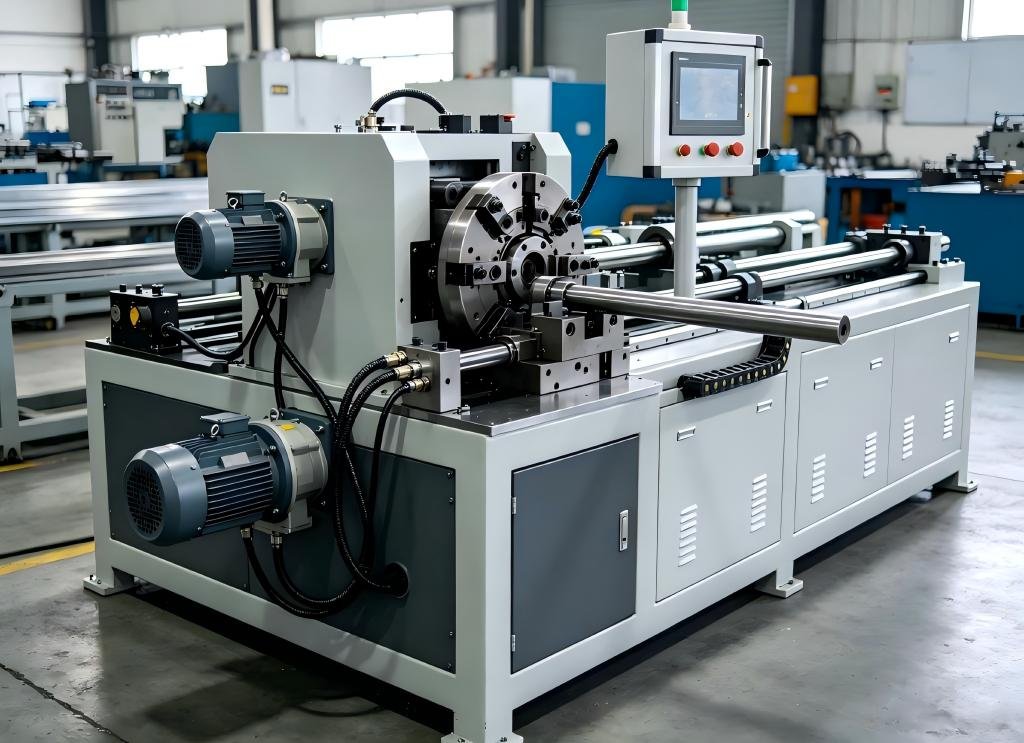
Motorcycle ERW Steel Tube Bending Machine
News 2026-08-27
The safety and overall performance of motorcycles largely depend on the processing quality of metal pipe parts such as frames. ERW electric‑resistance‑welded steel tubes feature moderate cost and qualified strength, making them the mainstream raw material for motorcycle components. Nevertheless, the mechanical properties along weld seams are uneven. When processed by ordinary bending machines, weld seams tend to crack under bending stress. Thin‑wall welded tubes may suffer wall collapse and pipe distortion, leading to high scrap rates and limiting production efficiency and product yield. Traditional semi‑automatic machines rely heavily on operators’ experience to adjust pressure and speed, resulting in large batch‑to‑batch differences and difficulty meeting standardized assembly requirements for motorcycle spare parts.
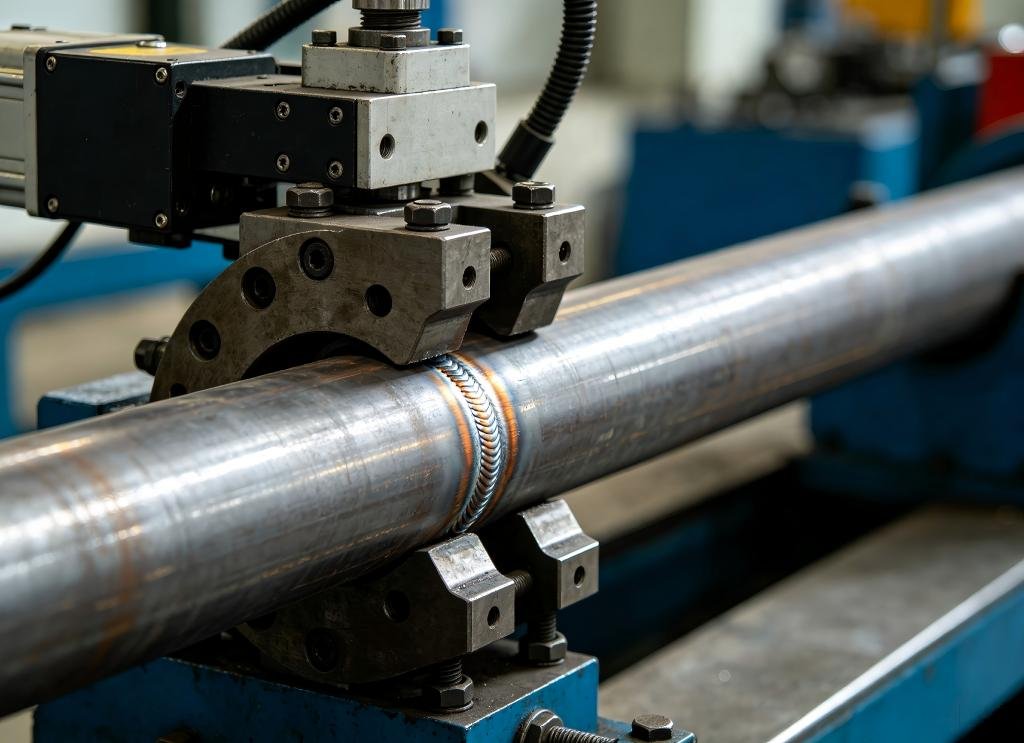
Targeting typical processing difficulties of ERW welded tubes, the Motorcycle ERW Steel Tube Bending Machine is optimized in mechanical structure and control program. Built with high‑strength welded frame, full‑axis servo linkage for feeding, rotation and bending enables precise adjustment of clamping force, booster power and bending angular velocity, lowering instantaneous stress on weld zones and effectively preventing weld cracking. Equipped with CNC system, the machine stores multiple sets of process parameters. Dedicated processing schemes for different tube diameters, wall thicknesses and weld positions can be saved and recalled with one click during product changeover, cutting repeated debugging time and supporting both mass‑volume orders and new‑product trial development.
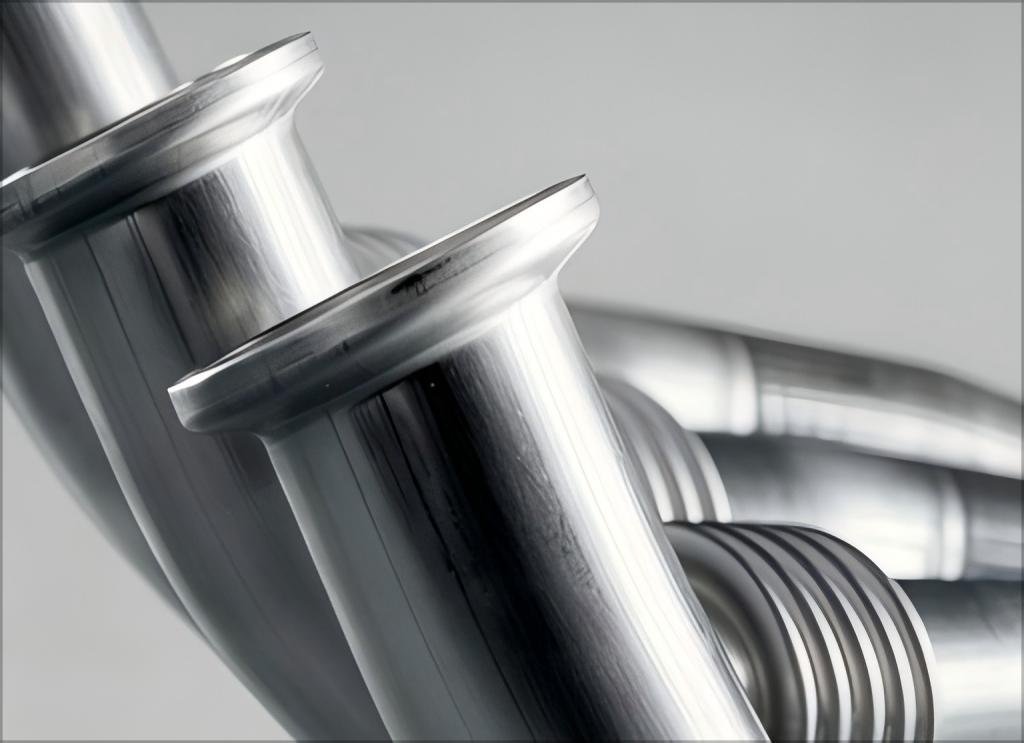
Multi‑procedure continuous bending can be finished within a single clamping setup to eliminate positioning errors caused by repeated re‑clamping. Bent tubes feature smooth radian, wrinkle‑free tube walls and no obvious cracking or deformation on weld seams. Finished workpieces can directly go through cutting, welding and spraying processes. Custom anti‑wrinkle dies and mandrel assemblies further solve collapse issues for thin‑wall ERW tubes. It delivers reliable processing performance for motorcycle main frame tubes, auxiliary frame tubes, handlebar tubes, foot support tubes and exhaust connecting pipes.
For real‑world factory production, this machine reduces dependence on highly‑experienced technicians. The visual touch‑screen interface is user‑friendly, and new operators can conduct basic production after simple training, which effectively cuts labor cost. Capable of stable 24‑hour continuous operation with low failure rate and easy maintenance, it fits assembly‑line working mode for motorcycle component factories. At present, numerous motorcycle spare‑part manufacturers adopt this model to solve long‑standing welded‑tube‑bending problems, raise finished‑product qualification rate and shorten delivery lead time, strengthening quality advantages amid fierce market competition.
As global markets for motorcycles and electric motorcycles keep expanding, higher standards are raised for frame safety and appearance precision. Adopting bending equipment specially developed for ERW welded tubes has become an important way for component manufacturers to improve quality and production efficiency.