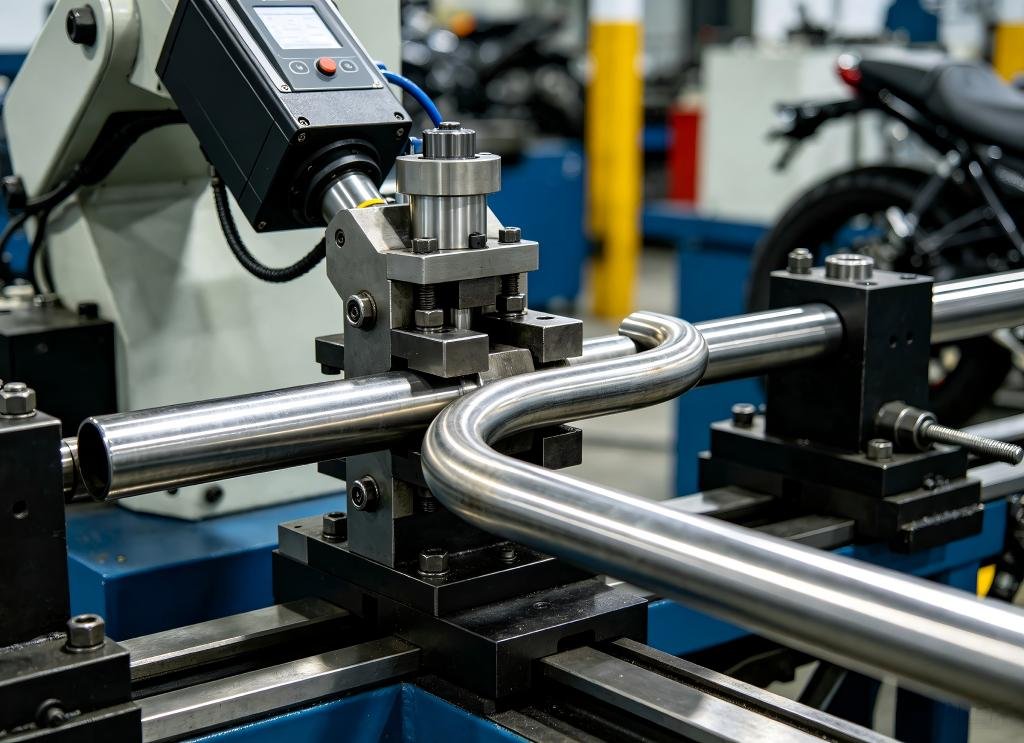
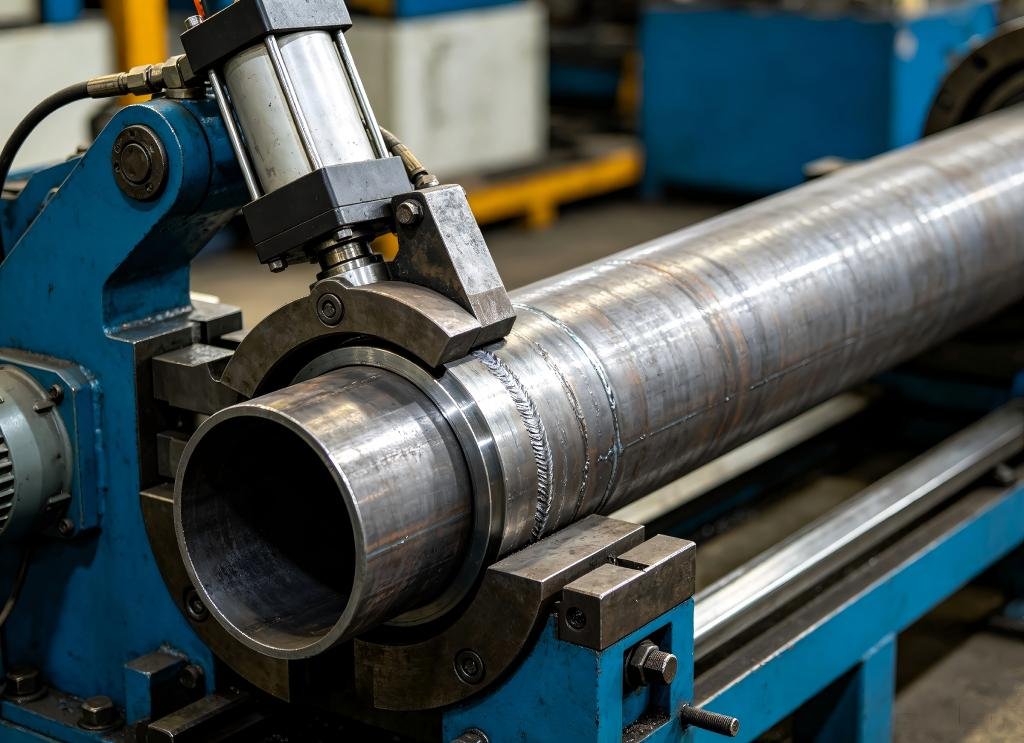
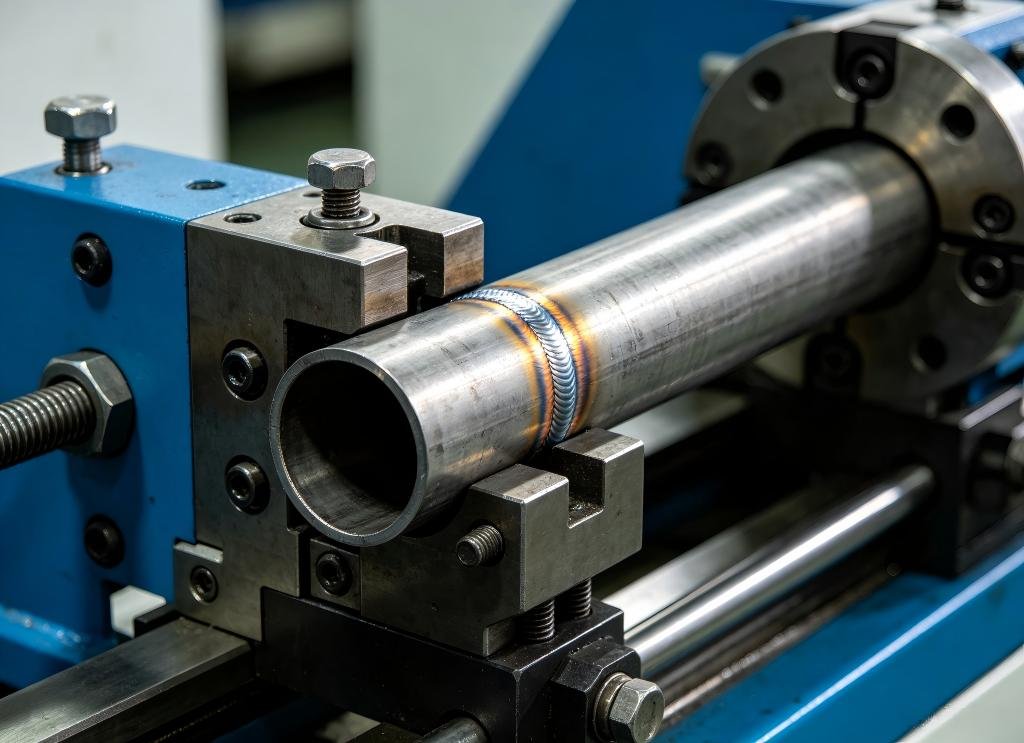
Stainless Steel Tube Bending Machine
News 2026-10-22
In the modern manufacturing industry, cold tube bending is a core process that converts raw materials into finished components. As dedicated forming equipment, stainless steel tube bending machines support production upgrades across automotive parts, architectural decoration, fluid piping, power & environmental protection, light industry and furniture sectors.
Stainless steel features high tensile strength, significant springback, and a tendency to wrinkle and flatten during thin-wall forming. Compared with ordinary carbon steel tubes, it imposes stricter requirements on the machine’s power output, die matching, stroke control and clamping stability. The performance of a tube bender directly determines the roundness, surface finish and angular repeatability of finished pipe workpieces. It also greatly influences the fitting accuracy, pressure tightness and long-term corrosion resistance of downstream products. Many buyers wonder why ordinary carbon steel tube benders cannot process stainless steel. The root cause lies in the huge difference in material forming properties. Conventional benders are configured with die surface treatment, clamping pressure and power parameters optimized for carbon steel; they tend to scratch stainless steel surfaces and produce workpieces with excessive tolerance errors. Specialized stainless steel bending machines come with polished bending dies, adjustable clamping structures and anti-wrinkle mandrel systems. Their pressure curves are precisely calibrated to accommodate the cold forming characteristics of stainless steel.
Demand for tube bending falls into two distinct categories across residential and industrial applications: gas pipelines, stainless steel guardrails, chair frames and kitchen pipe fittings for civilian use; hydraulic oil lines, heat exchange pipes, exhaust components and environmental fluid pipelines for industrial projects. Mass standardized orders call for stable cycle rates and low reject rates, while custom and small-batch multi-specification production requires rapid die change, multi-angle compound bending and flexible parameter adjustment.
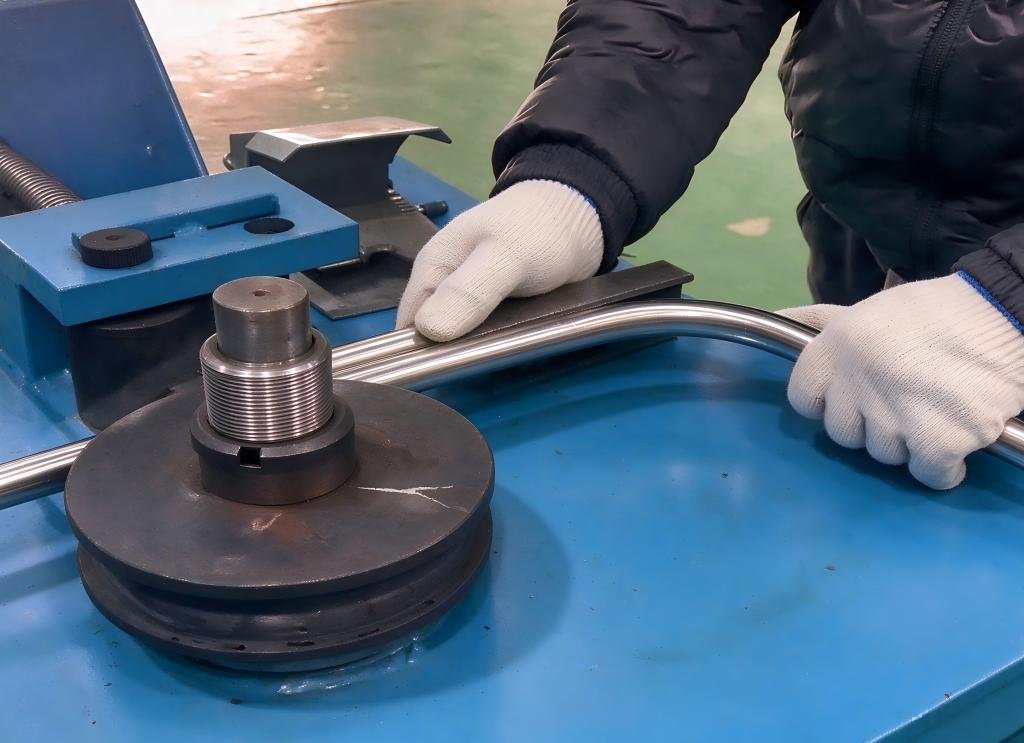
Hydraulic tube benders deliver high torque for heavy-duty forming of thick-walled stainless steel and large-diameter pipes. Manual models feature intuitive operation and low entry barriers. Many buyers struggle to choose between manual and fully automatic machines. Manual benders cost less, occupy less floor space, and are ideal for sample prototyping, small-batch orders, on-site engineering work and workshops with frequent specification changes. Fully automatic CNC tube benders are designed for mass production of multi-plane complex bent parts, offering higher repeatability and less manual intervention. Purchasers can select models based on order volume, bending complexity, budget and operator skill level.
Machines fitted with mandrels provide internal tube support, effectively preventing collapse, wrinkling and excessive wall thinning on thin stainless steel tubes. This drastically reduces post-processing work such as grinding and welding, and lowers leakage risks, making mandrel structures a key consideration for fluid pipeline projects.
As manufacturing becomes more refined, buyers no longer focus only on basic bending capacity; they evaluate the full supporting capacity of the equipment. Reliable manufacturers produce customized bending dies, wiper dies and mandrel assemblies tailored to the mechanical properties of 304, 316 and other stainless steel grades. They optimize pressure curves on hydraulic and pneumatic control systems to offset material springback and guarantee consistent bending angles across batches.
Qualified manufacturers maintain complete machining workshops, tool finishing stations and prototype bending test procedures. Every machine undergoes tube bending trials, precision calibration and continuous load testing before delivery, avoiding accuracy drift, power fluctuation and oil/air leakage after installation.
Most buyers also attach great importance to long-term operational stability. When selecting equipment, check whether the machine frame has undergone stress relief treatment, inspect the quality of hydraulic/pneumatic components, and verify machining precision of spindles and guide rails. Test angular repeatability and tube ovality after long continuous operation. It is equally important to confirm standardized maintenance plans and stable supply of wear parts to minimize production downtime caused by waiting for spare parts.
Competition in tube processing hinges on forming stability and process controllability. As flexible forming equipment, stainless steel tube benders serve both as basic processing tools and quality control points on pipe production lines. Whether running mass production in large factories or handling scattered custom orders, buyers should compare frame rigidity, control systems, modular tooling and continuous load capacity, alongside the manufacturer’s project track record, technical expertise and after-sales support.
Reputable manufacturers provide detailed technical manuals, operation training documents and wear parts lists, covering installation, commissioning, troubleshooting and routine maintenance. They can also optimize bending processes and recommend suitable machine models and tooling according to customer drawings. This helps buyers balance machining precision, production efficiency and equipment investment, and avoid low productivity and high reject rates caused by improper model selection.
With expanding tube application scenarios and stricter quality standards, stable, process-adaptable and well-supported tube bending equipment will continuously help pipe fabricators cut costs and boost productivity, supporting large-scale production of high-quality pipe components for fluid conveyance, structural frames and decorative profiles.