New Solution for Profile Roll Bending: Angle Iron Rolling Machine – High-Efficiency Equipment for Multi-Specification Curved Metal Components
News 2026-11-02
In the field of plastic forming of metal profiles, roll bending is the mainstream process for manufacturing curved and annular structural parts. As dedicated forming equipment, the angle iron rolling machine (also known as angle steel circle rolling machine or profile arc bending machine) supports arc and full-circle processing of various metal profiles including angle steel, round tubes, channel steel and flat steel. It serves as an indispensable core processing equipment in the industrial chains of steel structures, fluid storage tanks, power supporting facilities and infrastructure engineering. Different from single-point bending equipment, this machine adopts the continuous roll bending forming principle to stably produce large-radius curved and closed circular workpieces. It is well suited for mass prefabrication of curved components and complements tube bending machines in technology, jointly covering the bending and forming scenarios of both tubes and profiles.
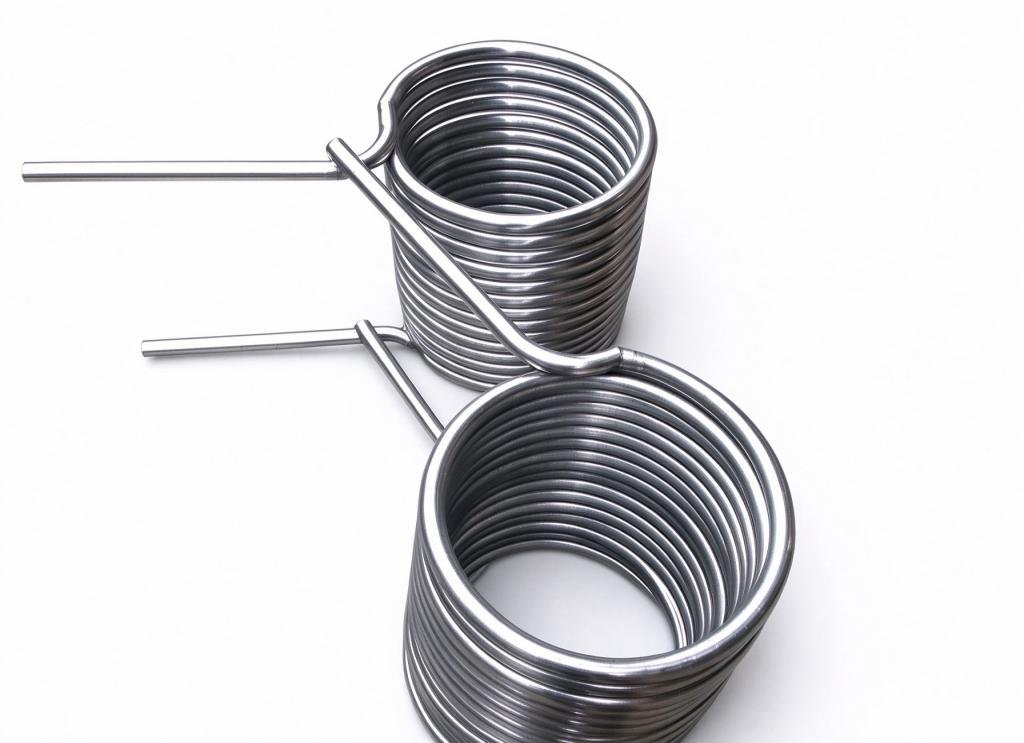
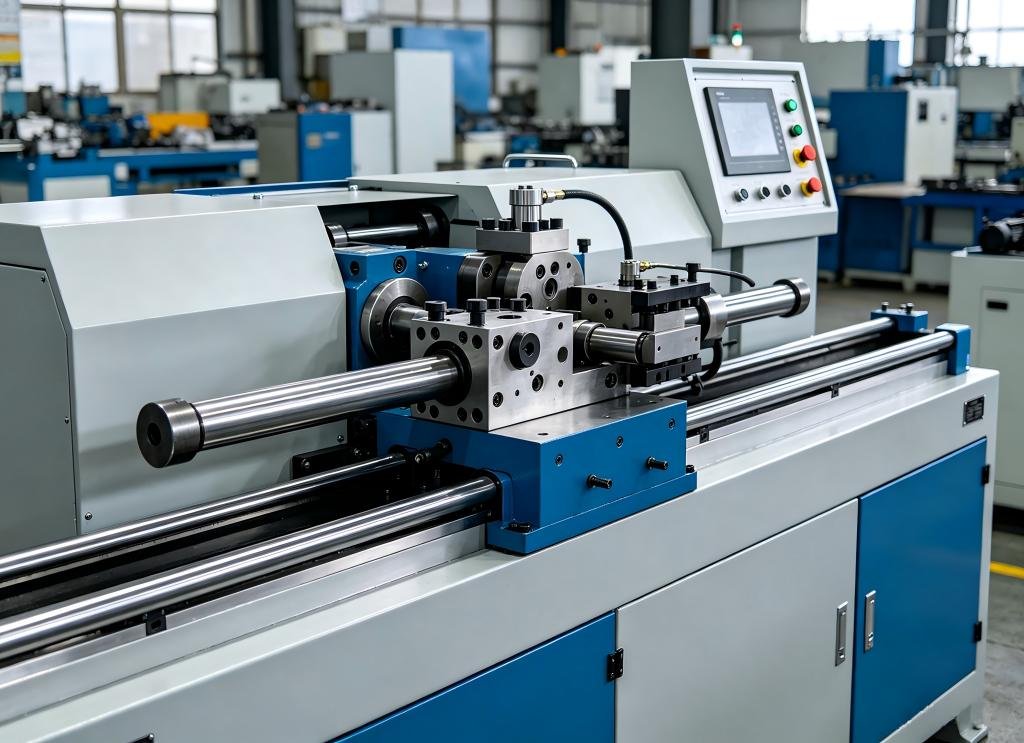
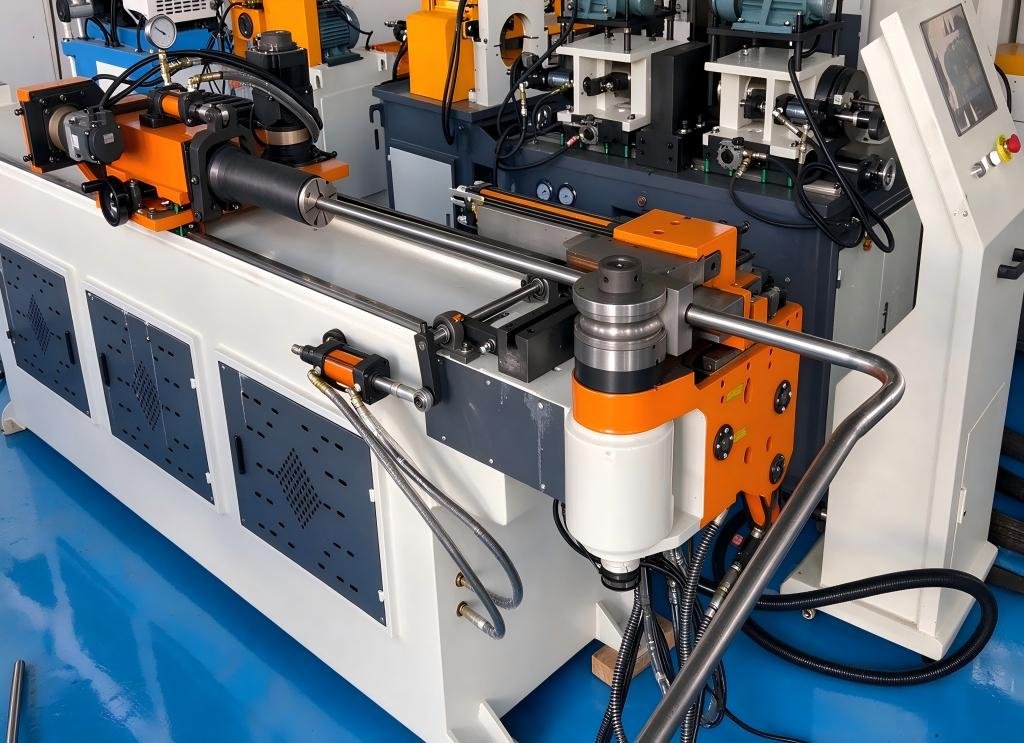
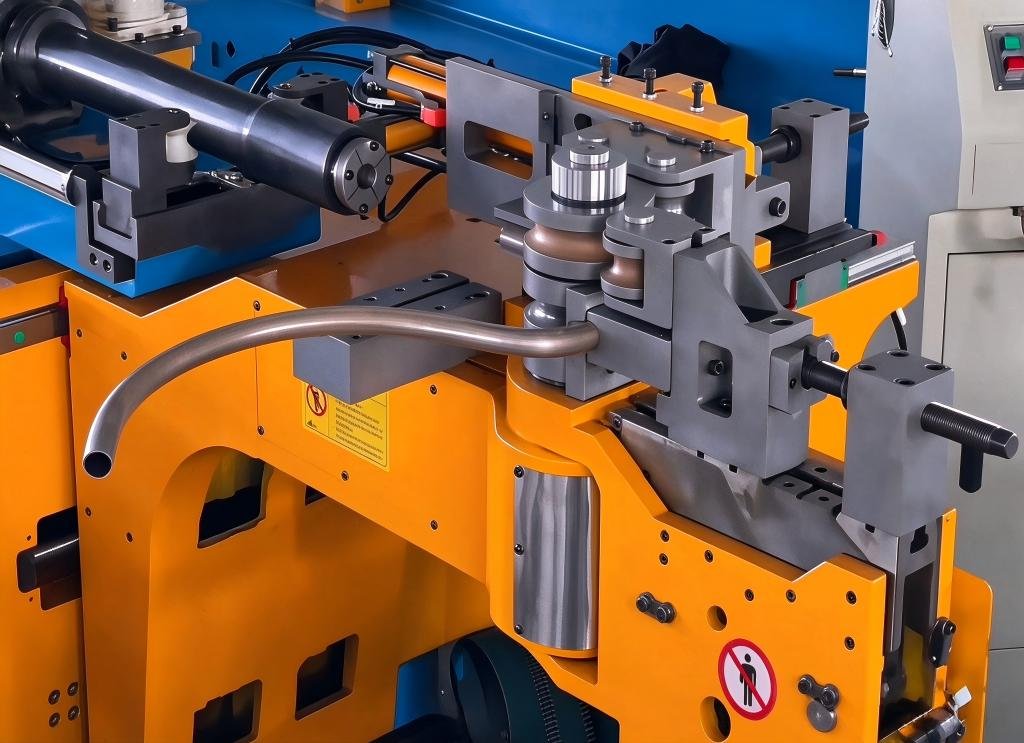
The angle iron rolling machine works on the principle of plastic deformation through rolling pressure. The complete equipment consists of four coordinated modules: main frame, power drive unit, roller forming mechanism and control system. The heavy welded frame provides rigid support for the whole machine to counteract deformation caused by continuous load during roll bending and ensure stable processing accuracy over long-term operation. There are two main power options: hydraulic drive and motor-gear drive. Hydraulic models deliver high torque and heavy load capacity for processing large-size thick-walled profiles, while motor-driven versions feature sensitive response and stable operation, ideal for high-volume production of small and medium-sized profiles. The forming execution unit mostly adopts a five-roller layout, which is critical to the forming quality of workpieces. It is equipped with quickly replaceable special roller dies: dedicated roller sets for angle steel and forming rollers for round tubes. The quick changeover enables one machine to process multiple types of profiles. Some upgraded models integrate integrated feeding, guiding and fixed-length cutting assemblies, realizing an automated workflow from profile loading, continuous roll bending to fixed-size cutting and greatly reducing manual intervention.
In terms of process performance, this profile arc bending machine boasts outstanding flexible processing advantages. The bending angle can be freely adjusted from 0° to 360°, producing arc segments, semicircles, full rings and other finished shapes. The forming linear speed is stably maintained at 4–6.5 meters per minute. Parts can be formed in a single rolling pass with uniform arc, smooth surface and no obvious creases or distortion defects. It offers a wide range of control options. Basic versions adopt manual control or remote hydraulic operation, which are easy to learn and suitable for on-site prefabrication at construction sites. Advanced CNC versions support preset parameters. Bending radius, feed speed and pressure settings can be digitally adjusted for higher repeatability and precision, catering to standardized bulk orders and effectively reducing quality fluctuations caused by manual operation.
Thanks to its flexible profile compatibility and stable forming performance, the angle iron rolling machine is widely used across multiple industrial sectors. In the chemical industry, it is commonly used to fabricate base frames for corrosion-resistant storage tanks, support rings for vessels and pipe flanges for annular components matched with acid and alkali medium equipment. For the power sector, it is the primary processing equipment for curved angle steel brackets supporting transformers and reactors. In the structural steel construction industry, it is extensively applied to prefabricate curved steel frames, guardrails, and accessory components for tunnels, bridges, subways, high-speed rail fences and suspension railings. It is also the key forming equipment for stainless steel water tank bases in the water supply industry, and this process is widely adopted for cable reel supports and various curved metal connecting brackets.
Traditional curved profile manufacturing has long relied on segmented bending and assembly by welding. This method involves cumbersome procedures, numerous weld seams, large circularity errors and heavy post-processing work, making it difficult to meet strict requirements for component consistency and structural strength in high-end projects. In contrast, the roll bending process achieves one-piece forming with fewer welding points, delivering superior mechanical properties while balancing productivity and surface finish. As manufacturing accelerates toward prefabrication and modularization, market demand for flexible equipment compatible with multiple profile types keeps rising. Automated integration and CNC precision have become major development trends for profile rolling machines. New-generation models continuously optimize roller structures and add linked automatic feeding and cutting functions to further cut labor intensity and improve dimensional accuracy. They help manufacturers boost quality, lower costs and raise efficiency, providing reliable forming solutions for the production of all kinds of curved metal components.