Three Critical Points for Operating Pipe Bending Machines
News 2026-08-04
Pipe bending machine molds have extensive application scenarios. Various molds including forming molds, hot-working molds, cold-working molds and plastic molds require supporting pipe bending machines for forming procedures. At present, rising demand from automotive manufacturing, rail transit, general machinery and wood processing industries has made pipe bending machines indispensable core equipment in the hardware pipe processing sector.
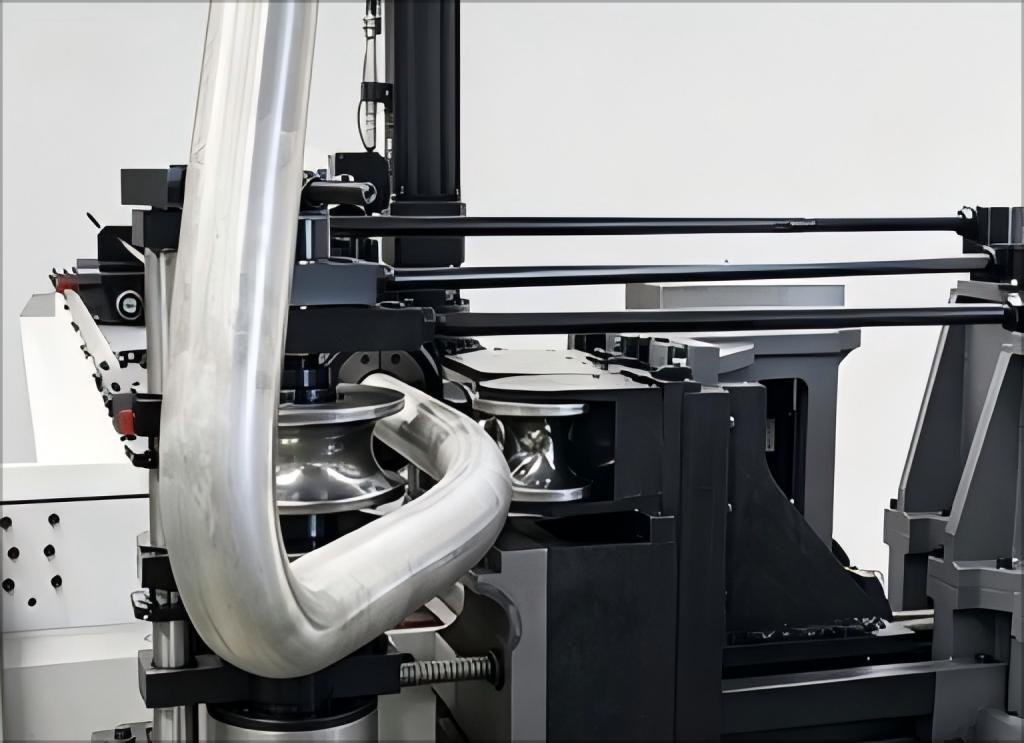
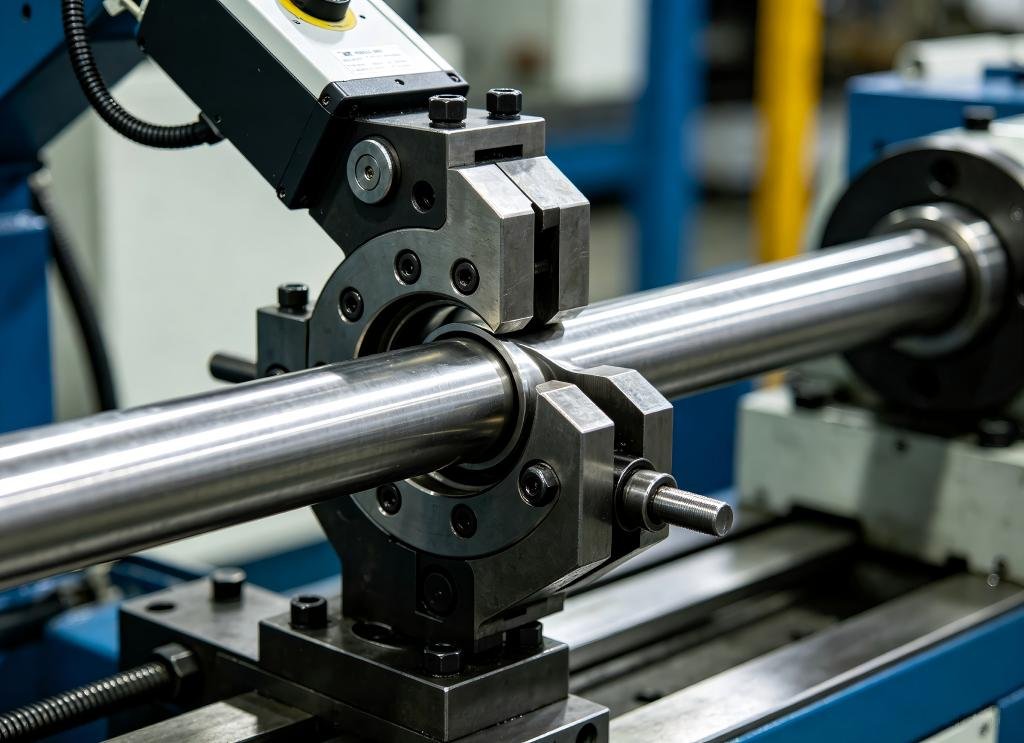
Mold installation is the most vital preparation before pipe bending operations. Operators must be familiar with machine structure and master skills for mold installation and commissioning, and assemble molds in strict accordance with standard procedures. Standardized installation and adjustment can guarantee bending precision of pipes, improve finished product yield, stabilize machine operation and reduce downtime caused by failures.
To achieve long-term stable, safe and efficient operation of automatic pipe bending machines, three core operation requirements must be followed. These are also standardized operation specifications consistently promoted by Jiuqiang Pipe Bending Machines.
1. Select Matched Molds to Avoid Machine Overload
Match dedicated molds according to pipe specifications and bending radii before processing. Mismatched molds or bending parameters exceeding the machine’s rated range will cause overload operation, resulting in abnormal stress on mechanical structures and precision deviation. In severe cases, equipment breakdown may occur, accompanied by significant safety risks for operators. Proper mold selection lays the foundation for guaranteed bending accuracy, equipment protection and safe production.
2. Standardize Machine Operation and Protect Precision Components
The working environment shall be ventilated, tidy and free of stacked debris. When plugging or unplugging wiring connectors, grip the connector body directly instead of pulling cables, which may loosen internal solder joints, trigger poor contact and electrical faults. Never strike precision components such as encoders and sensors with hard objects to prevent precision loss and automatic program failure, ensuring long-term accurate operation of the machine.
3. Standardize Hydraulic Pipeline Installation to Stabilize the Power System
Pipe bending machines rely mainly on hydraulic systems to provide bending power. Working principle: The hydraulic oil pump delivers high-pressure hydraulic oil, which flows through high-pressure pipelines into the working cylinder. The oil pushes the plunger to generate steady thrust and drives the bending mechanism to complete pipe forming.
For pipeline selection and layout, adopt special oil pipes with high strength, smooth inner walls and qualified pressure resistance. Arrange pipelines to minimize length and bends, and equip exhaust devices for air release and pressure relief during startup. The suction pipeline must be airtight with low oil intake resistance to ensure smooth oil supply and stable hydraulic pressure, fundamentally eliminating problems such as machine vibration, angle deviation and insufficient power.
As machining technology keeps upgrading, the automatic CNC pipe bending machine industry is evolving toward higher precision, superior stability and intelligence. For pipe bending machine manufacturers, continuous technological innovation, optimized machine structure and hydraulic systems, as well as improved operational safety and processing stability are essential to meet high-end market demands and achieve sustainable development.
Focusing on technological innovation, Jiuqiang Pipe Bending Machines continuously optimizes equipment performance, supplying customers with more stable, precise and durable pipe processing solutions.